TPO vs. EPDM vs. Spray Foam: Which Commercial Roofing System Is Right for Illinois Buildings in 2026?
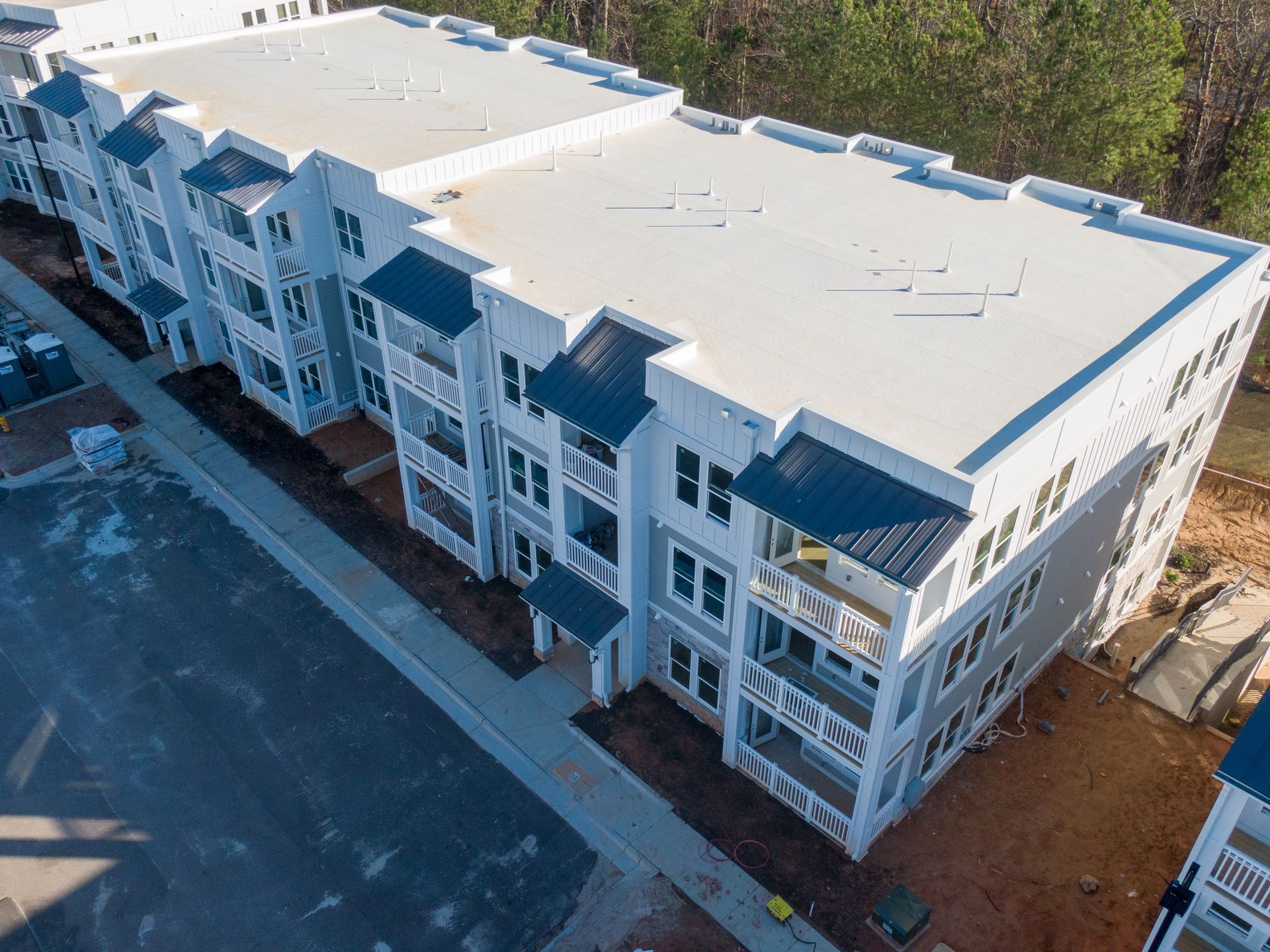
Choosing the right commercial roofing system is one of the most important decisions a property owner or facility manager in the Joliet, IL, area can make. If you are researching commercial roofing services in Joliet, IL, understanding how TPO, EPDM, and spray foam each perform in Illinois' demanding climate can save you significant time, money, and headaches.
What Are TPO, EPDM, and Spray Foam Roofing Systems?
TPO (Thermoplastic Polyolefin) is a single-ply membrane roofing system, typically manufactured in white or light reflective colors. It has become one of the fastest-growing commercial roofing options due to its balance of affordability, energy efficiency, and performance. TPO seams are heat-welded, creating a strong, watertight bond that resists leaks when properly installed.
EPDM (Ethylene Propylene Diene Monomer) is a synthetic rubber membrane well suited to colder regions, offering a 30+ year lifespan and strong low-temperature flexibility. Standard EPDM is black, meaning it absorbs rather than reflects heat.
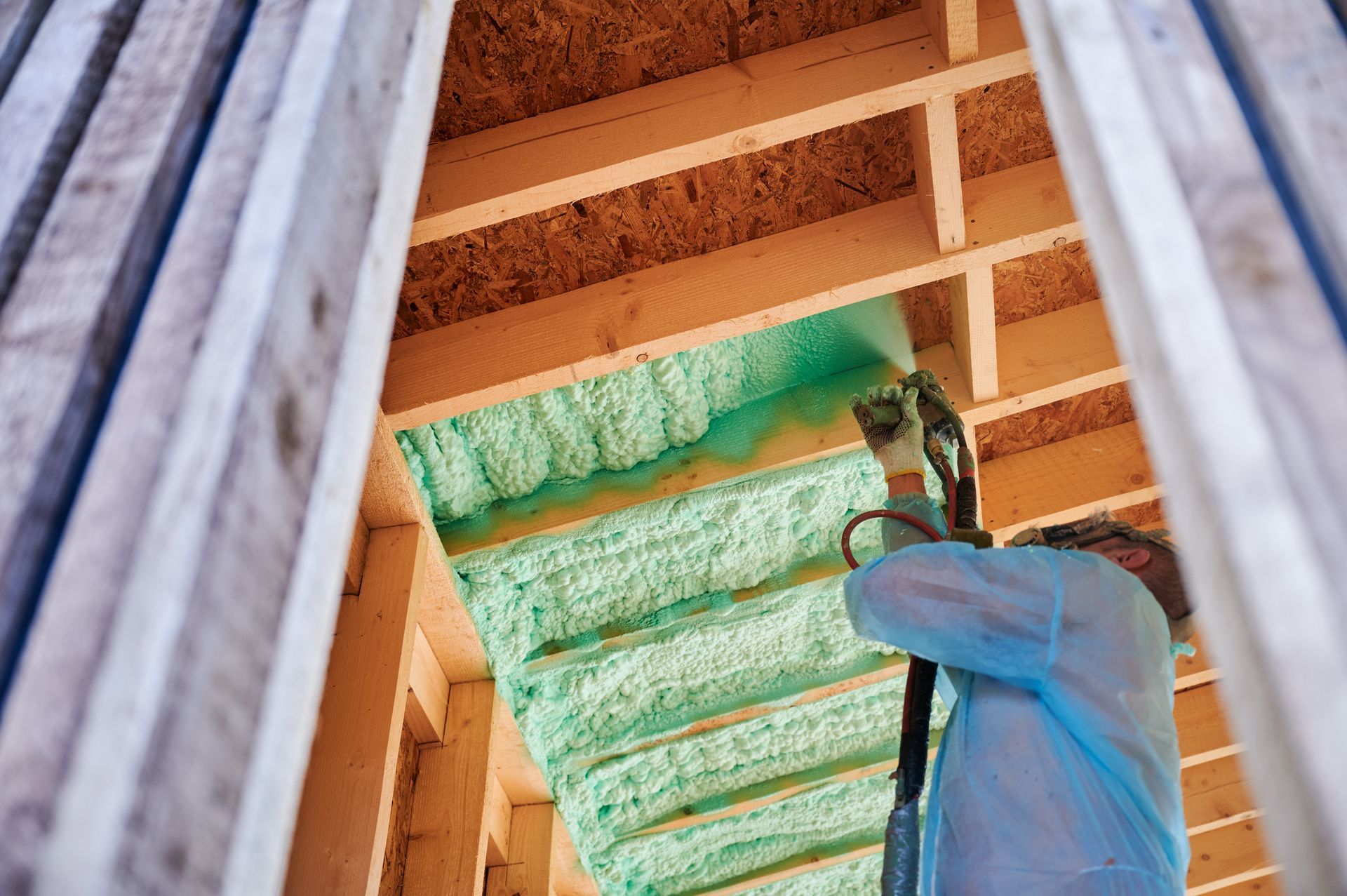
Spray Polyurethane Foam (SPF) is a liquid-applied system that expands into a rigid, seamless layer directly over an existing roof surface. It delivers insulation, moisture resistance, and durability. A protective coating is applied over the foam to shield it from UV exposure and foot traffic. You can learn more about the full range of spray foam roofing systems and technical roof coatings Plattville Coatings offers across Will County.
How Does Illinois Climate Affect Your Roofing Choice?
Illinois weather puts every commercial roof to the test. The state faces extreme temperature swings from below-zero winters to 90°F+ summers, heavy snow loads, and over 100 annual freeze-thaw cycles that stress membrane flexibility and seam integrity. Will County flat roofs must also handle standing water, ice damming, and intense UV exposure across all four seasons. Any contractor offering commercial roofing services in Joliet, IL, should design around those conditions rather than treat them as an afterthought.
TPO Performance in Illinois
TPO reflects UV radiation and solar heat, helping reduce summer cooling costs for large commercial buildings. In extreme cold, however, TPO seams can become more vulnerable to stress if installation is not executed carefully.
EPDM Performance in Illinois
EPDM's rubber composition resists cracking and shrinkage better than thermoplastic membranes in severe cold, making it a popular choice for unheated warehouses and industrial buildings across the greater Joliet corridor. Its low-temperature flexibility gives it a clear edge through Illinois winters.
Spray Foam Performance in Illinois
Closed-cell spray foam resists ice damming and water ingress, minimizes air leakage, and reduces thermal bridging, producing consistent energy savings across decades. One advantage specific to flat-roof commercial buildings is drainage correction: foam builds slope, fixing ponding water problems that other systems cannot address. This is especially relevant for older flat-roof buildings throughout Joliet, IL, and surrounding Will County. Commercial roofing services in Joliet, IL, that include spray foam application are well suited to address this drainage challenge.
Side-by-Side Comparison for Joliet, IL, Commercial Buildings
TPO
- Best for: Buildings prioritizing summer energy savings and reflective roofing.
- Seam type: Heat-welded; strong when properly installed.
- Climate note: Requires careful detailing to handle Illinois freeze-thaw stress.
- Maintenance: Relatively low; check seams annually and avoid punctures.
EPDM
- Best for: Cold-climate warehouses, industrial facilities, and budget-conscious replacements.
- Seam type: Adhered or mechanically fastened; seam integrity is critical.
- Climate note: Excellent low-temperature flexibility for Illinois winters.
- Standard black EPDM absorbs heat and offers no reflective benefit, which can raise summer cooling costs.
Spray Foam (SPF)
- Best for: Flat roofs with drainage issues, buildings needing added insulation, and over-existing-roof applications.
- Seam type: Seamless. No seams mean no seam failures, the leading cause of commercial roof leaks.
- Climate note: Strong performer across Illinois seasons; resists ice damming and air leakage.
- Recoating every 10 to 20 years renews the warranty indefinitely with no tear-off required.
Which System Is Right for Your Building?
The right system depends on your building type, roof slope, age, and energy priorities. If your building has persistent flat-roof drainage issues or you want to avoid a full tear-off, spray foam deserves serious consideration. It applies over existing systems, eliminating tear-off cost and landfill waste. If winter durability and budget are the primary concern, EPDM has a long, proven track record in the Midwest. If summer energy savings are the priority, TPO's reflective surface may be the better fit.
Roof age, deck condition, and existing insulation all influence which system will perform best. A professional on-site inspection is essential before committing to any option. When evaluating commercial roofing services in Joliet, IL, asking a qualified contractor to assess your specific conditions first is always the most reliable starting point. You can read about Plattville Coatings and their service area on Google to get a sense of their work before reaching out.
Get a Free Inspection Serving Joliet, IL
If you manage a commercial property in Joliet, IL, and want expert guidance on TPO, EPDM, or spray foam roofing, Plattville Coatings delivers commercial roofing services in Joliet, IL, built around technical expertise and long-term performance. Request your free on-site evaluation by visiting the contact page or calling (815) 634-3304 today.